

Education
The Pre-Med Transitional Care Program’ curriculum offers a comprehensive review through whiteboard and PowerPoint presentations, covering topics from patient history taking to differential diagnoses and test interpretations. Research assistants are encouraged to engage in critical thinking within an enjoyable learning environment. Additionally, as part of the mentorship, research assistants will be paired with a mentor, with whom you are expected to build a rapport and receive guidance. Medical education is not solely about knowledge acquisition but about helping the students realize their potential as future leaders in medicine. Consequently, research assistants are exposed to leadership training. These classes will be conducted in person twice a month, each session lasting one hour, and their attendance are strongly encouraged. Elective leadership and guest specialist classes are held at least once or twice per quarter.
Curriculum
Clinical Foundations Curriculum for Pre-Medical Research Assistants
Objective: The aim is to provide pre-medical research students with a high-yield, clinically oriented education, focusing on developing skills for an accurate history and physical exam, fundamental medical conditions, diagnostic reasoning, and the interpretation of common diagnostic tests such as chest X-rays (CXR), electrocardiograms (EKG), and laboratory tests. This curriculum is designed to emulate the cognitive processes of clinicians and to offer valuable mentorship in conjunction with research involvement.
| Topic | Core Focus | |
| Introduction to Medicine, Patient Care Delivery, and Ethics. | Patient-physician relationship in different healthcare settings. Doctor-patient relationships and informed consent. Basics of privacy and ethical decision-making in medicine. How to talk about health topics with different audiences. EPIC and modalities of patient care delivery. Common medical terms and abbreviation. How to read and understand medical notes. | |
| How to take an accurate patient history. | Chief complaint. Present medical history, Past medical and surgical history. Medications. Allergies. Family history. Social history. Review of systems. | |
| Taking and understanding the patient physical examination. | How to take and interpretate patients’ vital signs. Systematic examination and interpretation of body systems. |
| Basic Lab Interpretation: CBC, CMP, LFTs, Coags. | Pattern recognition, trends, clinical significance. |
| Intro to Pulmonary function tests. | Obstructive vs restrictive patterns, mixed patterns. |
| Intro to Acid-Base & ABG Interpretation. | pH, CO₂, HCO₃⁻, compensation, simple metabolic/respiratory disorders. |
| Intro to Chest X-Ray (CXR) Interpretation. | Normal anatomy, systematic read, consolidation, effusion, pneumothorax. | |
| Intro to EKG Interpretation I. | Rate, rhythm, axis, intervals, hypertrophy. | |
| Shortness of Breath: CHF, COPD, Asthma, Pneumonia. | Differentiating causes using CXR, vitals, labs. | |
| Chest Pain: ACS, Pericarditis, PE, Aortic Dissection. | EKG findings, troponins, clinical pearls. | |
| Abdominal Pain: Appendicitis, Cholecystitis, Pancreatitis, SBO. | History-taking approach, imaging findings, red flags. | |
| Altered Mental Status (AMS): AEIOU TIPS Approach. | Broad differential, glucose, infection, hepatic encephalopathy. | |
| Sepsis & Infection: UTI, Pneumonia, Cellulitis, Endocarditis. | SIRS/sepsis criteria, blood cultures, empiric antibiotics. | |
| Fluids & Electrolytes: Na, K, Mg, Ca Disorders. | Basic interpretation, clinical causes, treatment basics. | |
| Diabetes Emergencies: DKA & HHS. | Glucose emergencies, labs, acid-base status, fluid management. | |
| Pulmonary Embolism: Diagnosis and Workup. | Wells score, D-dimer, CXR/EKG signs, imaging options. | |
| Intro to EKG II: MI Patterns, Blocks, Afib/Aflutter. | STEMI vs NSTEMI, heart blocks, arrhythmia basics. | |
| Chest X-Ray II: Lines, Tubes, ICU Pathology. | NG tubes, central lines, pneumothorax with tension, ARDS. | |
| Antibiotics 101: Choosing the Right Empirics. | Common bugs, site-based choices, antibiograms. | |
| How to Present a Patient: The Clinical Thought Process. | SOAP format, HPI building, summary statements. | |
Clinical
The classes will be supplemented with inpatient and transitional outpatient shadowing opportunities, occurring at least once a month, with timing and duration tailored to their availability and interests. This exposure is essential for understanding real patient care. Inpatient shadowing are conducted in person, while transitional clinic shadowing is virtual. Due to compliance with the University of Chicago Medicine, research assistants are not permitted to provide hands-on care to patients. However, with patient permission, they observe their preceptor for valuable teaching insights.
Research
Research assistants are a valuable member of our team, tasked with interviewing patients and families for our research studies, following protocols established and approved by the Institutional Review Board (IRB). This is a core activity of your participation, and we ask that research assistants commit the necessary time to fulfill the requirements for success in their scholarly activities. They are required to be onsite for at least three hours a month for face-to-face interviews (in one session) and two hours per week virtually for the remaining three weeks. This exposure to patients and families helps them to develop interaction skills and prepare them for future clinical and research endeavors.
Scholarly
By the conclusion of this academic year, each of the research assistants present a poster at our end-of-year Educational Research Day. Under the guidance of your mentor or coach, they have the opportunity to apply for poster presentations at regional and national conferences. Research assistants are encourage to work with their mentors or coaches to identify an interesting case to begin this process. If research assistants have a particular interest in a research topic that wish to pursue, they are encouraged to inform us.
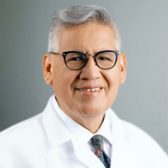
Gilmer Rodriguez, MD, MPH, MMM, FACHE, CPE, FAAPL, FACP
Principal Investigator
Director of the Pre-Med Transitional Program Care Program.
Assistant Professor of Medicine.
Submissions can be sent to gjrodriguez@bsd.uchicago.edu
Research Coordinator and Writer
 |
Lourdes Rodriguez, BA Honors BA, Creative Writing, University of ChicagoMaster’s Student, Creative Writing, University of East Anglia, UKLourdes.Rodriguez@bsd.uchicago.edu |
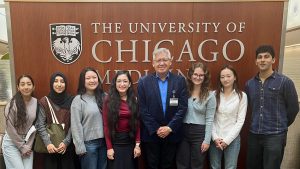
PMTCP Research Group, Class of 2025-2026
Left to Right: Felicia R, Doha G, Erin K, Lourdes R, Dr. Rodriguez, Ella M, Olivia D, Feras B. Absent: Adam K
Research and Educational Assistants
 |
Erin Kim
Undergraduate, University of ChicagoErin.Kim@bsd.uchicago.edu |
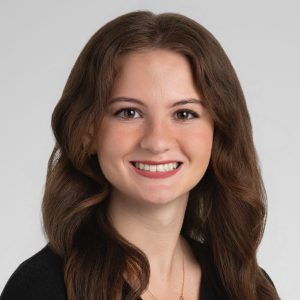 |
Ella Meges
Undergraduate, University of Chicagoemeges@uchicago.edu |
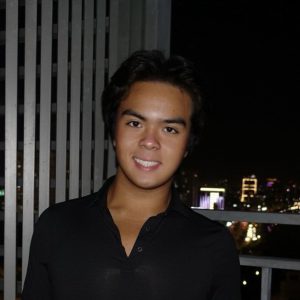 |
Adam Kamel
Undergraduate, University of Chicagoadamkamel@uchicago.edu |
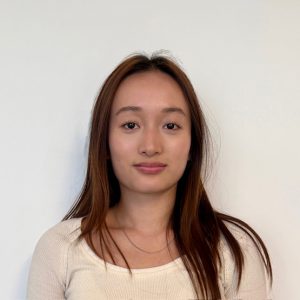 |
Olivia DuUndergraduate, University of Chicagoodu@uchicago.edu |
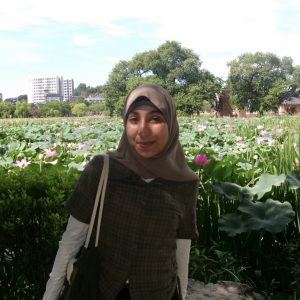 |
Doha Gassem
Undergraduate, University of Chicagodohag@uchicago.edu |
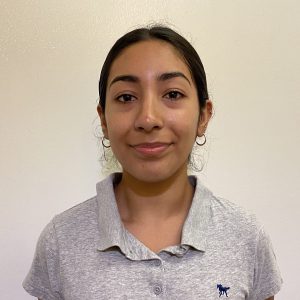 |
Felicia Ruiz
Undergraduate, University of Chicagofeliciajro@uchicago.edu |
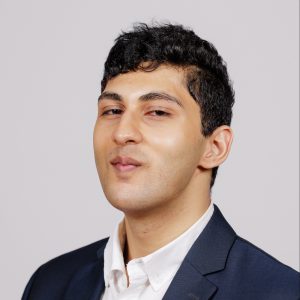 |
Feras BaigUndergraduate, University of Illinois ChicagoFeras.Baig@bsd.uchicago.edu |